In-depth Analysis of Industrial Control Market Demand in the Middle East: New Opportunities and Localization Challenges for Foreign Trade Enterprises
News 2026-08-10
Article for Industrial Control Foreign Trade Independent Site
Intro Image Tip (Chinese)
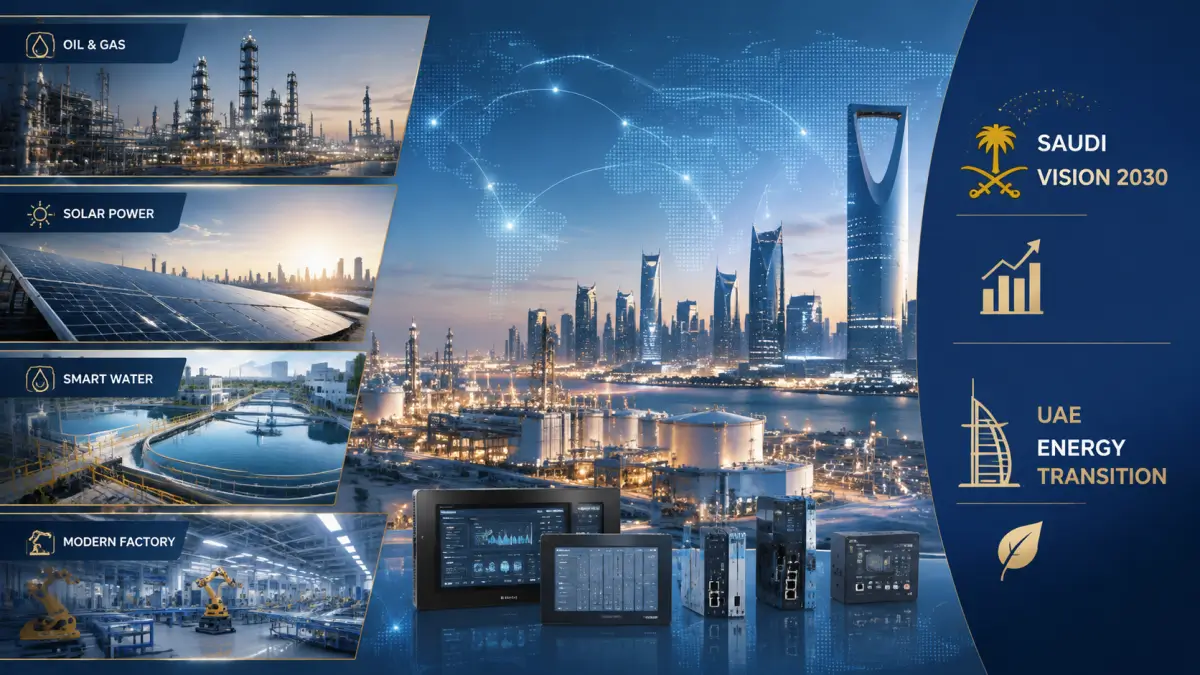
The Middle East is comprehensively pushing forward economic diversification strategies to break its long-term reliance on crude oil industries. National development blueprints including Saudi Vision 2030 and UAE Energy Strategy 2050 have accelerated the intelligent and automated upgrading of energy, infrastructure, manufacturing and water treatment sectors, bringing explosive growth to the industrial control equipment market. For foreign trade suppliers focusing on Middle Eastern clients, this trend creates massive market expansion opportunities, while a series of complicated localization obstacles remain to be solved. This article thoroughly sorts out core market demands, lucrative business opportunities and unavoidable localization challenges, helping Chinese industrial control manufacturers formulate targeted market development strategies.
1. Core Demands Driving the Middle East Industrial Control Market
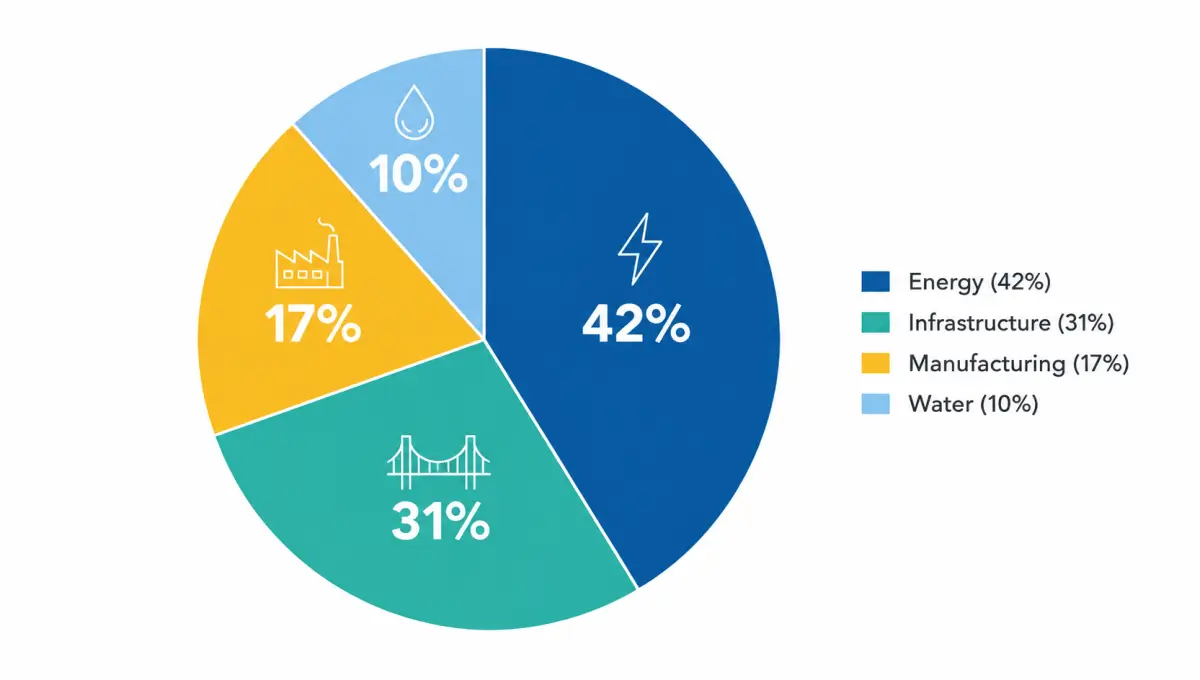
Market demand for industrial control products in the Middle East concentrates on four core industries, all featuring high-standard, high-temperature resistant and all-in-one customized control solutions.
1.1 Energy Industry: Dual Growth of Traditional Oil & Gas and New Energy
The Middle East remains the world’s core oil and gas producing zone. Automated transformation of oil extraction, pipeline transportation and petrochemical refineries generates steady demand for PLCs, inverters, industrial sensors and DCS distributed control systems. Local industrial sites operate under extreme high temperature and heavy sand conditions, so all control equipment must support dust-proof, anti-corrosion and stable long-term operation.
Meanwhile, major Gulf countries are investing heavily in solar and wind power projects. Intelligent grid controllers, photovoltaic inverters and wind turbine control systems have become fast-growing product categories. Statistics show that the Middle East PLC market will reach USD 803 million in 2026, with the energy sector accounting for over 40% of total market demand.
1.2 Mega Infrastructure & Smart Building Projects
Flagship projects such as NEOM City in Saudi Arabia and Dubai Future District greatly boost orders for building automation systems, energy management controllers and intelligent access control devices. Local contractors prefer complete integrated control packages instead of single separated components. Besides urban construction, automated port and logistics warehouses also consume large quantities of industrial control hardware. In June 2026 alone, Saudi Arabia awarded construction contracts worth 29.5 billion Saudi Riyals, forming stable demand support for automation products.
1.3 Diversified Manufacturing Industry
To reduce reliance on fossil fuels, Gulf governments are vigorously developing automotive parts, food processing and building material factories. Local manufacturers need servo motors, industrial robots, industrial computers and full automatic production lines. Most factory maintenance staff lack advanced technical skills, so equipment with simple operation logic and easy maintenance functions is highly favored. Energy-saving and low-power-consumption industrial control equipment also gains priority in procurement.
1.4 Water Desalination & Sewage Treatment
Water scarcity is a persistent problem across the Middle East. Large-scale seawater desalination plants and sewage recycling projects require high-precision monitoring control systems for water flow, water quality and pipeline pressure. All water treatment control devices must comply with local environmental protection standards, creating competitive edges for certified Chinese suppliers.
Image Tip (Chinese)
2. Three Major New Opportunities for Industrial Control Foreign Trade Suppliers
2.1 High-Cost-Performance Product Supply Gap
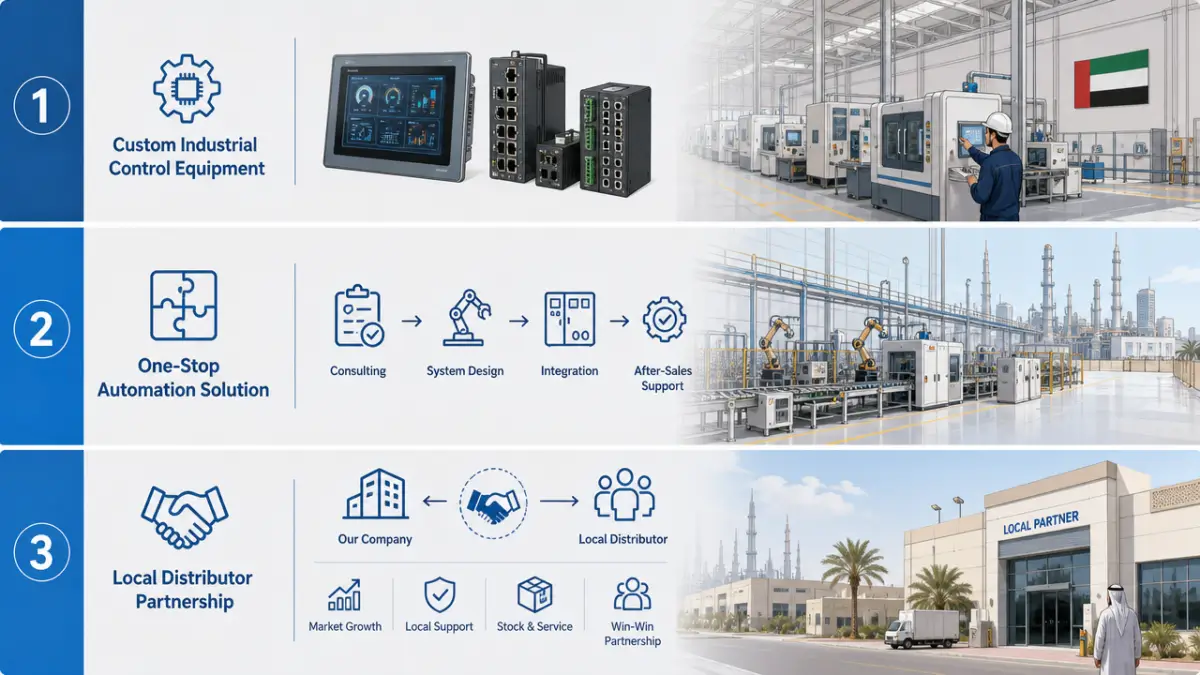
Western European and American brands dominate the high-end Middle East industrial control market, yet their product prices and after-sales costs remain extremely high. Chinese industrial control equipment balances reliable performance and competitive pricing, forming obvious comparative advantages. Manufacturers can launch customized modified products tailored to local harsh environments, such as high-temperature resistant inverters and dust-sealed sensors. In addition, most Gulf nations impose strict restrictions on second-hand industrial control equipment, leaving huge market space for brand-new compliant products.
2.2 Shift from Equipment Sellers to Full-Solution Providers
Middle Eastern enterprise managers no longer only purchase individual hardware. They demand one-stop services covering scheme design, equipment supply, on-site installation, commissioning and long-term maintenance. Foreign trade companies can transform their business model: provide customized intelligent factory transformation plans for manufacturing clients, or deliver full automation upgrading packages for oil refineries. Service-oriented cooperation greatly improves customer stickiness and brings sustainable repeat orders.
2.3 Local Partnership Policy Support
Gulf authorities encourage foreign industrial enterprises to cooperate with local agents and engineering companies, offering tax reduction and land policy incentives. Partnering with regional local distributors helps overseas suppliers quickly obtain local market information, bypass complicated import policy barriers and reach end clients efficiently. Industry exhibitions including Dubai Industrial Fair and Saudi Manufacturing Exhibition are premium channels to connect with precise bulk buyers.
Image Tip (Chinese)
3. Four Major Localization Challenges That Suppliers Must Overcome
Prosperous market potential comes with unique regional barriers. Blind market expansion without localized adjustments will lead to customs detention, customer churn and economic losses.
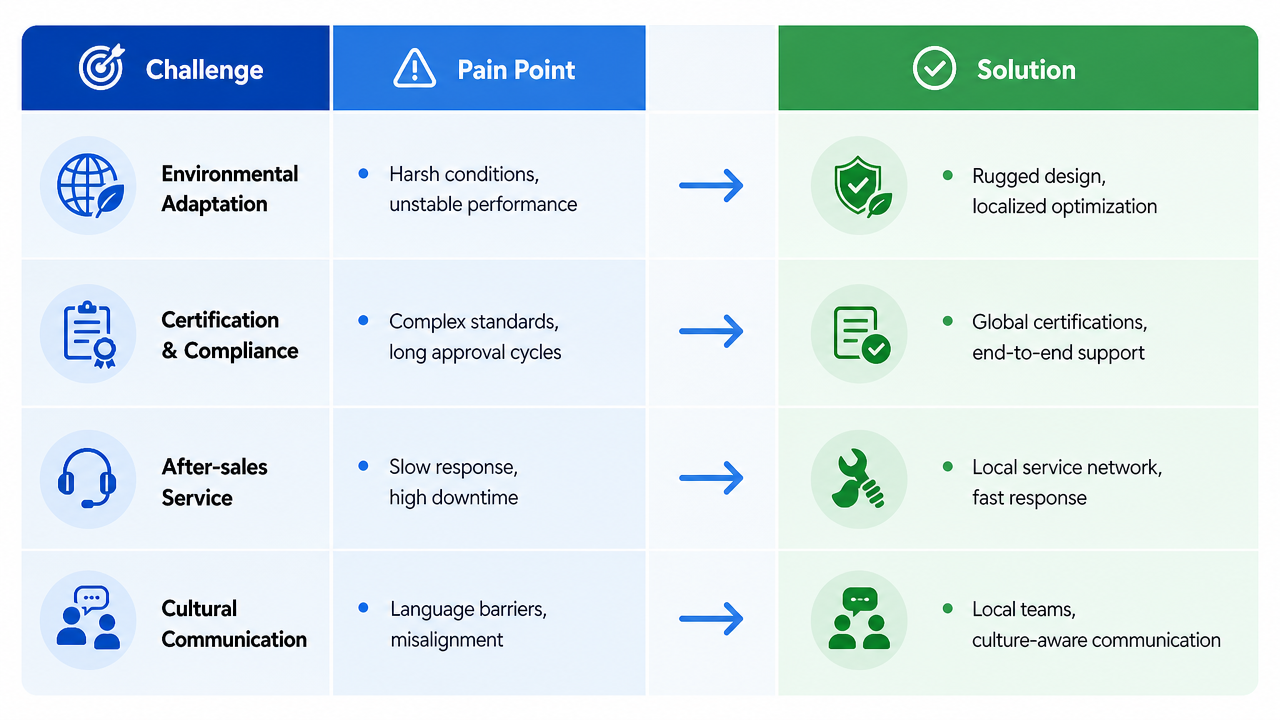
3.1 Product Environment & Local Operation Adaptation
The extreme climate of the Middle East puts forward strict requirements on hardware structure. Standard industrial control equipment will break down frequently under 50℃ high temperature and sandstorm weather. Suppliers need to upgrade heat dissipation, dustproof shell and circuit protection designs. Besides hardware adjustment, operation panels, operation manuals and fault guides must be printed in both English and Arabic, with simplified operation logic matching local technicians’ operation habits.
3.2 Strict Certification & Customs Compliance Threshold
GCC certification is a mandatory entry permit for all electrical industrial control products sold in Gulf countries. Saudi Arabia additionally requires SASO certification, while Kuwait demands PAI local qualification audit. Missing relevant certifications will result in goods detention, heavy fines or direct return of shipments. Furthermore, import tariff standards and commodity supervision policies differ between each Gulf country; suppliers need to track policy updates continuously to optimize customs declaration plans.
3.3 Lack of Localized After-Sales Technical Support
Middle Eastern buyers attach great importance to rapid after-sales response. Many overseas suppliers only provide remote online guidance, which fails to meet local clients’ demands for on-site repair, equipment debugging and technical training. Two feasible solutions are available: establish local technical service teams recruiting regional engineers, or sign long-term after-sales cooperation agreements with local engineering partners to build regional maintenance service networks.
3.4 Cross-Cultural Business Communication Barriers
Distinct Islamic culture and business etiquette must be respected during client communication. Business negotiations should avoid major religious holidays; promotional materials, product labels and packaging cannot contain patterns or text violating local religious customs. Middle Eastern business people value face-to-face communication and trust building, so regular factory visits and exhibition meetings are far more effective than online email promotion alone.
Image Tip (Chinese)
4. Conclusion & Market Outlook
The Middle East industrial control market stays in a golden growth cycle driven by national economic transformation, bringing unprecedented business opportunities for Chinese foreign trade manufacturers. However, opportunities always coexist with localization challenges.
Suppliers aiming to seize long-term market share need to accurately capture segmented industry demands, carry out targeted product optimization and localized service layout, and fully resolve certification, climate adaptation and cross-cultural communication problems. In the future, Middle Eastern industrial procurement demands will shift further toward intelligent, energy-saving and integrated automation systems. Enterprises focusing on energy, water treatment and infrastructure control products, with stable local cooperative channels, will achieve steady growth in sales volume and brand influence across the Gulf region.